|
|
| Corrections Systems: Creating Positive Culture and Dynamic Leadership |
| By Carol Flaherty-Zonis, MA, MSW, Arizona-based consultant and trainer |
| Published: 10/19/2009 |
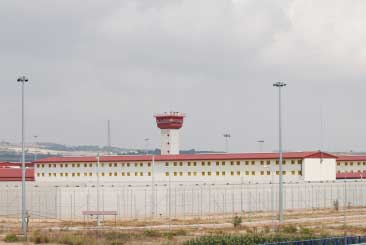 Corrections facilities often operate as if they are comprised of independent parts—the silos we hear about and experience. The staff of each part know very well their perceived level of importance and the power of their voice. All too often, voices that are not as highly valued, coming from staff who are nonetheless critical to the running of the facility, are not heard, or are stifled and disregarded.
My work as a consultant to numerous corrections facilities and systems since the 1990s has involved exploring their cultures (the values, assumptions and beliefs that drive the way people think and behave at work) and working with management and staff to change the culture where people in the system thought change was needed. In addition, using a unique strategic planning process I (with a few corrections professionals) developed under agreement with the National Institute of Corrections (the publication detailing the process is Building Culture Strategically), I have guided the planning/culture change process in several large facilities. This work focuses on strategic thinking, planning, management and response, in the context of exploring all aspects of the culture and organization. In the work I have done (using Rubik’s Cube® as the theoretical model), I have found the cultures in corrections facilities to be dominated by the following characteristics: conventional, “don’t rock the boat” thinking; a pattern of dependence, with a value on following rather than leading; avoidance of conflict, leaving many disagreements unresolved and even unidentified; a high level of oppositional behavior, focusing on what is wrong and holding on to past wrongs rather than working to find solutions; and a limited willingness to share power and information. While I have found many staff working to reach a high level of achievement, managers encouraging staff’s potential, and a sense of camaraderie, I never have observed these traits running on all eight cylinders in one place. When I have asked people working in the facilities to describe the culture as they would want it to be, they invariably want the workplace to have a focus on high achievement; to provide opportunities to develop their potential; to function with a sense of team; and they want to be encouraged and valued. What can be done to bring about the positive change people want?
The work requires conscious, deliberate and strategic thinking and action. It may require the assistance of an outsider—someone who can gather information and perceptions without creating fear; is willing and capable of honestly identifying challenges and strengths; can provoke constructively; and understands how systems function. It requires leaders who are committed to the work, are trustworthy, and can inspire people to be the best they can be. Ultimately, people have to see “what’s in it for me.” (WIIFM). More to follow… Editors Note: Corrections.com author, Carol Flaherty-Zonis, MA, MSW, is an Arizona-based consultant and trainer. She works in the areas of strategic planning, organizational development, leadership and management development, conflict resolution and teambuilding. She facilitates the course, “Promoting a Positive Corrections Culture,” and the “Building Culture Strategically” process, both of which she developed under contract with NIC. Carol can be contacted at cfzonis@mindspring.com. Other articles by Carol Flaherty-Zonis |


advertise
|
privacy policy
|
add URL
|
about us
|
terms/disclaimer
|
contact us
|
join our team
|
help

AP Chekumuki Science Talent Test 2020 at School,ap chekumuki talent test District, State Level. AP JVV Chekumuki Science Test 2020 would be conducted at School, District and State Level. AP Chekumuki Science Talent Test 2020 would be conducted in under Chekumuki Science Sambaralu. The Science festival, Chekumuki 2020 by Jana Vignana Vedika (JVV) is all set to educate the public and encourage scientific temper among the students from November 7th.
Of course, what a great site and instructive posts, I surely will bookmark your site.Best Regards! Resurge
Very good article! We will be linking to this great post on our website. Keep up the great writing. Leptitox
You continue to produce top quality articles every day, and that's why so many people working for es.altounlockpdf.com company rate your work highly. I want to know what the people who work with me think about your work.
Great inspiring article. I am really enjoy reading your post because its very unique information for me. Thanks a lot for sharing this wonderful post. SEO Training Lahore
Do not try to make a lot of money, dream high, try to make others know you are rich. Try to make your life more meaningful. Make yourself happy and relax every day the impossible quiz
An obligation of appreciation is all together for the critical information and encounters you have so given here... phoenix windshield repair
I was surfing net and luckily went over this site and discovered exceptionally fascinating stuff here. Its extremely amusing to peruse. I appreciated a great deal. A debt of gratitude is in order for sharing this superb data. 파워볼엔트리
오션파라다이스게임 This article gives the light in which we can observe the reality. It’s a great pleasure reading your post. This is a very nice one and gives information. Thank you for the post.
Pretty good post. I just stumbled upon your blog and wanted to say that I have really enjoyed reading your blog post. Its a great pleasure reading your post. I'd really 릴게임 like to help appreciate it with the efforts you get with writing this post. Thanks for sharing.
You have done a great job on this article. Your work is very good and I appreciate this issue. Its a great 릴게임 pleasure reading your post. I'd really like to help appreciate it with the efforts you get with writing this post. You have some real writing talent. Thank you.
Thank you for helping people get the information. Your work is very good and I appreciate this issue. It’s a great 야마토게임 pleasure reading your post. I'd really like to help appreciate it with the efforts you get with writing this post.
I appreciate the kind of topics you post here and best work you have done. I feel nice to be here reading your MT2 trustworthy work. I'd really like to help appreciate it with the efforts you get with writing this post. Keep sharing such type of Information with us.
Great job on this content. This will absolutely be success coaching going to help me with my project. You actually understand how to bring a concern to light making it essential. Thank you for sharing.
These websites are really needed, you hammer strength chest press for sale can learn a lot. I'd really like to help appreciate it with the efforts you get with writing this post. Thank you for sharing this information.
Very informative article, Given such a great amount of information in it. Thank you for tell the time clock sharing this information. I also wrote an article on a similar subject that will find it at writing what you think.
The content is top quality, you can Refinance easily find numerous exclusive. I appreciate the writer for this great article. Thanks for sharing this valuable information with all of us and if you are searching for the best. Please do keep up the great work.
There is a sure way to create individual essays. It helps me end of tenancy cleaning London very much to solve some problems. I really like and recognize your website post. Thanks for this post.
Thanks for functioning modern tv stands the time to consider this. It's a very good helpful guide. I always prefer to read quality and glad I found this thing in your post. Thank you for posting such a great article.
you can know that the windows internet explorer 10 i am so excited to learned the new process that i have seen i am thankful to you that how this all function will be manage.
Very good topic, similar texts are I do not know if they are as good as your work out. 바카라사이트
Below you will understand what is important, the idea provides one of the links with an exciting site: bvi virtual phone number
I was just browsing through the internet looking for some information and came across your blog. I am impressed by the information that you have on this blog. It shows how well you understand this subject. Bookmarked this page, will come back for more. christian t shirt fundraiser
It is very good for all of mankind who want to get positive energy from other people. For that purpose, I will tell you the importance of positive thinking for increased the positive power for herself and other peoples. I read all the point of positive thinking and agreed on clemsonemergingscholars the all point a described in the easy style and easy to understand you will find the tab for register the site.
Frequently when I search the 'net I check out web sites that provide good information when I found this web site. Very often that I have been to this particular web site I have enjoyed the nice article on this website. I shall be certain to look for the next post.. Many thanks for the fantastic post I am going to come back soon. web design Louisville
Corrections facilities mostly function as if they are included of self-governing parts the silos we hear about and practice. He got best dissertation services review All frequently, voices that are not as extremely appreciated, coming from workers that are however serious to the organization of the facility, are not perceived, or are quiet and overlooked.
Excellent article with creating a multidisciplinary approach to managing institutions. Creating this approach leads to the overall success of the institution.
This is an excellent article. It touches on the changes that are necessary in most correctional facilities. Achieving this level of cooperation and awareness is a daunting task. In my opinion, in most cases outside intervention would need to occur and that intervention would have to include the highest level of the operation to the most base level of the operation so all would have access, understanding and a stake in what is happening within the operation. I believe the escence of change is found in everyone being on the same page and moving in the same direction. AS the ideas in this article are not new, they are extemely relevant and needed to be visited again and again until real positive change is apparent. I believe that an even more overwhelming task would be to sustain a level of cooperation, understanding and a feeling that all employees have a stake in the operation. Finally, I would like to say that I am encouraged, inspired and motivated to play some part in helping my agency to achieve some level of positive cultural leadership leading to positive change within the agency.
Wow--really insightful and filled with great ideas. Culture really is at the heart of understanding the change process