|
|
| Reports highlight housing alternatives |
| By Sarah Etter, News Reporter |
| Published: 08/07/2006 |
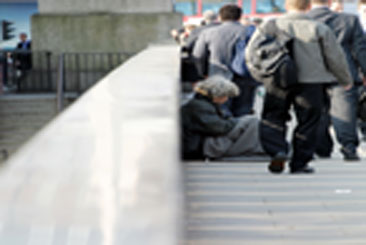
 Re-entry is a word on the minds of just about corrections officials everywhere. From COs to officials and administrators, states across the country are working hard to determine the best way to transition inmates into the communities they've left. Re-entry is a word on the minds of just about corrections officials everywhere. From COs to officials and administrators, states across the country are working hard to determine the best way to transition inmates into the communities they've left. State and local officials are hoping to bring attention to this nationwide problem with the release of two new reports about housing issues that plague released offenders. The Bureau of Justice Assistance, the Council of State Governments and the National Alliance to End Homelessness have created a report that adds another dimension to re-entry - housing offenders who have been released. According to the Homelessness and Prisoner Re-Entry report, areas nationwide are struggling to find affordable housing for the newly released. With more than 650,000 leaving state prisons and an estimated nine million released from jails, the report cites that housing issues need to be addressed now more than ever. “More than 10 percent of those coming in and out of prisons and jails are homeless in the months before their incarceration,” the report states. “One study found that 22 percent of jailed inmates in New York City reported being homeless the night before their arrest.” Among the number of suggestions, the report maintains that since most agencies do not have the budgets to continue housing the homeless in a shelter, supportive housing is an option many institutions should explore. Rather than allowing released offenders to find their own way, supportive housing like halfway houses gives them a chance to learn life skills. “Supportive housing has been documented to drastically reduce criminal justice involvement, reducing jail incarceration rates up to 30 percent and prison incarceration rates up to 57 percent,” according to the report. The Public Housing Authorities and Prisoner Re-Entry report, created by the Bureau of Justice Assistance, the Re-Entry Policy Council and the National Association of Housing and Redevelopment Officials, highlights the role that public housing authorities can play in the housing predicament by considering a partnership with public safety entities. “People who do not find stable housing in the community are more likely to recidivate than those who do,” the report states. “The Georgia Department of Corrections determined that, with each move after release from prison, a person's likelihood of re-arrest increased by 25 percent.” Bottom Line: By brining housing statistics to light, the reports hope to draw attention to an ever-growing need for homes for those released from prison. For those in corrections focusing on re-entry, this is an essential component that needs plenty of attention. |


advertise
|
privacy policy
|
add URL
|
about us
|
terms/disclaimer
|
contact us
|
join our team
|
help

Comments:
No comments have been posted for this article.
Login to let us know what you think