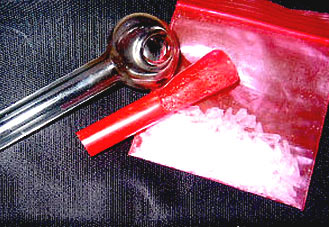
Methamphetamine abuse once again reared its ugly head in the newest report by the Bureau of Justice Statistics, Drug Use and Dependence in State and Federal Prisoners 2004, released today.
While most practitioners are familiar with methamphetamine abuse in corrections, the Bureau's report proves just how prevalent the problem is.
“The increases in the use of stimulants were attributable to the rising use of methamphetamines. Use of methamphetamines before the offense increased from seven percent to eleven percent, and use at the time of the offense rose from four percent to six percent,” the report indicates.
Although methamphetamine use is a growing problem, marijuana is the most commonly used drug among offenders interviewed, with 58 percent of state and 53 percent of federal inmates regularly using the substance before their incarceration.
In 2004, 21 percent of state and 55 percent of federal offenders were incarcerated for drug law violations, and 53 percent of state and 43 percent of federal met the criteria for drug dependence or abuse.
A further breakdown of BJS numbers indicates that methamphetamine abuse is a central problem for women, who are more likely than men to use the substance in the month before their crime. Additionally, 20 percent of white males had used the drug, compared with one percent of black inmates. White males were also almost twice as likely as Hispanic males to have tried methamphetamines.
Although these figures are daunting, the report did have some positive insight.
“Participation in drug abuse programs rose in both state and federal prison since 1997,” the report states. “The percentage of recent drug users in state prison who reported participation in drug abuse programs rose from 34 percent in 1997 to 39 percent in 2004. This increase was the result of the growing percentage of recent drug users who reported taking part in self-help groups, peer counseling and drug abuse education programs.”
Interestingly, one set of BJS numbers showed that most violent offenders did not meet the criteria for drug abuse or dependence. Property offenders had the lowest overall percentage of drug dependence or abuse and one-third of property offenders in state prisons stated that drug money was a motivator for their crime.
Policy analyst Christopher J. Mumola and statistician Jennifer C. Karberg authored the report, which began about five years ago. BJS interviewed more than 18,000 inmates in 287 state and 39 federal facilities about substance abuse and dependence. Much of the data came from the Survey of Inmates in State and Federal Correctional Facilities.
“The inmate surveys are the only national source of detailed information on criminal offenders, particularly special populations such as drug and alcohol users, and offenders who have mental health problems,” the report states.
The BJS report is certainly chockfull of numbers. Whether you are looking for drug abuse statistics broken down by ethnicity, gender, or offense, it has a comprehensive snapshot of the drug use that can introduce individuals to a life of crime and lengthy prison sentences.
Bottom Line: BJS has supplied the numbers, but what can corrections do to correct the problem? Keep these digits in mind and make sure to look for more drug programming and resources that can help those struggling with drug dependence. Additionally, focusing community resources on epidemics like meth might help steady or even decrease rising prison populations.



Comments:
No comments have been posted for this article.
Login to let us know what you think