|
|
| Fertile ground |
| By Sarah Etter, News Reporter |
| Published: 04/16/2007 |
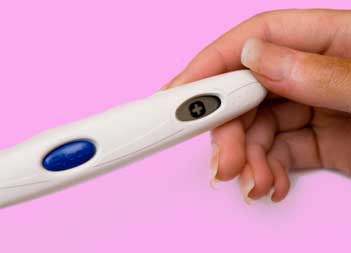 While most corrections contraceptive controversies involve condom distribution, Dr. Jennifer Clarke sees a different trend troubling female offenders.
 “I noticed a lot of women who were released were returning to prison pregnant. Many women told me they conceived right after their release,” the Rhode Island Department of Corrections physician says. “The women had not been able to continue taking birth control during their stay.” She also suspects a drugless, routine environment that offers balanced meals, also could have made the women more fertile and, therefore, could have increased their chances of getting pregnant. Realizing this trend's far reaching impact, the RIDOC worked with Rhode Island Hospital and Brown Medical School to help Clarke and fellow researchers study the use of birth control behind bars. As a result, Clarke developed Pregnancy Attitudes and Contraceptive Plans Among Women Entering Jail. “We started off asking the women what they wanted in terms of contraceptives,” Clarke explains. “The most popular response was Depo-Provera, followed by birth control shots and patches. They indicated that the shot and patches were good methods due to the unstable housing they may face in the future, and the trouble they would have taking a pill everyday.” Clarke initially surveyed 119 women, ages 18 to 34, and found they were 14 times more likely to take birth control while incarcerated than if they were offered community services. “Simply making contraceptive services freely available in the community was insufficient to engage large numbers of women in contraceptive services,” the report states. Once those responses were tallied, the RIDOC hired a consultant to explain birth control options. Clarke says it was critical not to press contraceptives on the women, but it was important that each offender be made aware of her options. A grant made it possible for the RIDOC to offer Depo-Provera and contraceptive shots, and 105 took advantage of the program. One barrier to providing the birth control did exist, however. “In any correctional facility many women have Hepatitis C, so we had to be careful with medications that might affect the liver, which was almost all of them,” Clarke says. “But we worked around that, and it didn't interfere too much with the types [of birth control] we offered.” Clarke found that priorities such as housing, food and family made community birth control an afterthought for female ex-offenders. In fact, a majority of those surveyed had no access to health care, with 65 percent of them already facing unplanned pregnancies. “A lot of the women with unwanted pregnancies then end up in the community and it isn't setting them up for success,” Clarke adds. “Many of them really want birth control. Some are addicted to drugs and do not want to conceive and give birth while they are using. Some know they just aren't prepared for a child. It makes sense for everyone, for women everywhere, to be offered family planning services. They just need the option.” As Clarke continues to advocate for these options, she also plans to study how incarceration affects fertility and how unwanted pregnancies impact recidivism and stress rates. Related Resources: For a copy of Pregnancy Attitudes and Contraceptive Plans Among Women Entering Jail click here. |


advertise
|
privacy policy
|
add URL
|
about us
|
terms/disclaimer
|
contact us
|
join our team
|
help

Comments:
No comments have been posted for this article.
Login to let us know what you think