|
|
| Terrorism in corrections, a ticking time bomb |
| By Ann Coppola, News Reporter |
| Published: 11/12/2007 |
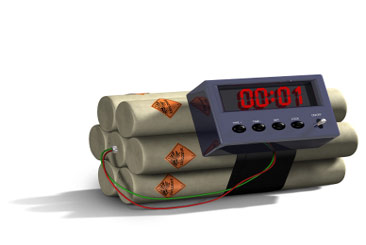 On October 24, 2007 Corrections.com spoke with emergency preparedness and counterterrorism planning expert, Bill Sturgeon, about the growing risk of terrorism in our jails and prisons. Sturgeon has more than 35 years of experience in the criminal justice field, and has managed security operations for sheriffs’ offices and correctional agencies across the United States.
He is currently working on a book, due out in early 2008, that discusses how terrorism presents a much greater threat to the corrections world than we might think. Read the below transcript of our conversation with Sturgeon or listen to the podcast. Corrections.com: What is the connection between prisons and jails and terrorism? Bill Sturgeon: Throughout history prisons have proven to be the targets for numerous disgruntled groups with names such as: terrorists, rebels, freedom fighters, revolutionaries, etc. I don’t think that anyone would argue that prisons throughout history have been places where some horrible atrocities have taken place. In a variety of foreign countries, prisons represent brutal and inhumane governments. These prisons employ torture, murder, rape, mutilation, etc. The international terrorists know only what they have been told. For instance, they don’t know that there are private not-for-profit organizations that set standards for the care and custody of inmates. They also have not been told that inmates can access the courts to address, what they believe to be, constitutional violations of their civil rights. Because of the above example, prisons and jails are seen as tentacles of the “federal” government and thereby are justifiable targets. CC: When you say ‘terrorists,’ who or what groups are you talking about and how are these terrorists different from other kinds of inmates? BS: For this podcast, when discussing terrorists we will, for the most part, be talking about international terrorists. The major and, in my opinion, the most important difference between international and some domestic terrorists and other inmate classifications, is that a majority of the international terrorists have a deep seeded religious belief that to die for their belief/cause will win for them heavenly rewards for all of eternity. Additionally, in some foreign cultures, the families of dead terrorists gain a great deal of respect and wealth. Here’s an excerpt from my book: “When your enemy does not fear death, you have a formidable force to guard against. Most of the inmates in American prisons and jails have not given-up the desire to live. Even some hardcore gang members have come to the realization that doing life in prison is better than being executed.” “The terrorists, however, live for the opportunity to use their status to gain status in the organization and/or entrance into heaven. If this should mean killing staff or other inmates, then the terrorists will not hesitate to do so.” CC: If corrections administrators have inmates like what you just described in their facilities, what kinds of programs or activities that should be developed for them? BS: There are numerous issues that have to be examined when trying to develop programming for terrorist inmates. Here are a few to consider:
BS: One of the wonderful things about corrections is that the non-routine is routine. By that, I mean during training, correctional personnel are instructed not to set a routine, yet correctional day-to-day operations are as routine and punctual as Big Ben. While this expedites and stabilizes the operations of correctional facilities, this is very inviting for terrorists to exploit should they target a facility. Minor changes in the daily routines and schedules can be disruptive to terrorists planning activities. Some very basic changes could be:
BS: Emergency operations can be the result of a variety of circumstances ranging from natural disasters, terrorist attacks, pandemics, and manmade incidents. No matter what causes the emergency, if provisions have not been made for the terrorist-inmates to be closely supervised, they could take advantage of the situation to escape, assault staff or other inmates, etc. If the emergency incident is, in fact, a terrorist assault on the facility, there is a good chance that the terrorist-inmates have prior knowledge of the attack and will do what they can to insure the success of the attack. Developing correctional emergency plans since the terrorist attacks of September 11, 2001, requires those writing the plans to actively change their paradigms. They now must ‘expand’ their emergency planning activities to the exterior of the facility as well as the interior. The interior emergency planning for a facility that incarcerates terrorist-inmates also requires a different mindset. Correctional emergency plans should also conform to the government’s National Incident Management System (NIMS) so that in the event of any emergency that will require working with external agencies, the facilities will be using the same incident management systems. The government is recommending that any facility be able to “stand alone” for a minimum of 72 hours. CC: Are all of these steps things that you think can be accomplished in the near future? BS: What we have discussed are only a few examples of some operational steps that could be and should be taken if a facility incarcerates terrorists. There are many more that will be in my book. While currently there is not a large number of terrorists in American prisons and jails, that could change very quickly in corrections. While there is time, correctional agencies should be planning and training for the time when American correctional facilities incarcerate international terrorists. CC: That was Bill Sturgeon, whose new book on terrorism and corrections will be published on Corrections.com in early 2008. For Corrections.com, I’m Ann Coppola, and thanks for listening. Related Resources: Listen to the podcast From the BBC: Jail ‘hardening’ terror convicts Learn more about NIMS Read a blog on terrorism and corrections |

clb20181103
michael kors
kyrie 4
birkenstock uk
coach outlet online
ecco shoes for women
nike air max 90
coach outlet online
nike outlet online
cheap oakley sunglasses
nike outlet store
christian louboutin shoes
toms shoes
coach factorty outlet store
canadian goose jacket
cheap jordans free shipping
converse outlet
canada goose outlet
nike shox shoes
louboutin shoes
kate spade handbags
gucci outlet online
ugg outlet online
astros jerseys
ecco outlet
michael kors outlet
michael kors outlet online
cheap jordan shoes
christian louboutin shoes
pandora charms outlet
birkenstock sale
canada goose jackets
toms outlet store
michael kors outlet clearance
discount oakley sunglasses
adidas outlet online
cheap jordans
coach outlet online
ugg outlet online
louboutin outlet
christian louboutin shoes
adidas store
nike air presto
kate spade outlet online
coach factory outlet online
coach outlet canada
nike outlet store
coach factory outlet
canada goose outlet store
gucci outlet online
true religion jeans
true religion outlet store
louis vuitton handbags
ugg boots outlet
uggs outlet
durant shoes
nmd adidas
pandora outlet
coach factory outlet online
pandora charms sale clearance
oakley sunglasses outlet
coach outlet
cheap air jordans
tory burch outlet online
fitflop sandals
michael kors outlet online
michael kors outlet store
pandora jewelry
ugg boots outlet
polo ralph lauren outlet online
polo ralph lauren
fendi handbags
yeezy boost 350
kate spade outlet online
coach outlet store
coach canada
coach factorty outlet store
kate spade outlet online
coach outlet store online
timberland shoes
indians jerseys
nike shoes
kate spade bags
jimmy choo
uggs outlet
coach outlet online
ecco outlet
jordan shoes
jimmy choo shoes
michael kors outlet store
ugg outlet store
coach outlet
uggs outlet
adidas yeezy shoes
timberland boots outlet
nike sneakers
coach outlet online
coach factorty outlet online
ralph lauren sale
fitflop uk
birkenstock outlet
uggs outlet
dr martens boots
moncler outlet store
braves jerseys
hermes bags
kate spade bags
rolex replica watches
timberland shoes
uggs outlet store
pandora charms outlet
kate spade handbags
ugg boots
ugg outlet
canada goose outlet store
mlb jerseys cheap
philipp plein
uggs outlet online
fitflops sale
timberland outlet
pandora rings
adidas nmd r1
nfl jerseys
adidas ultra boost