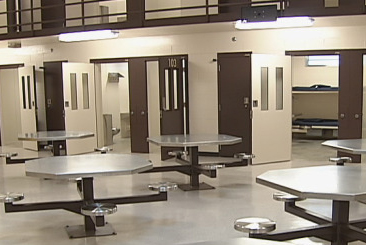
 It has always been amusing to me in retirement that, in keeping my ‘hand in,’ some of the ‘old’ material that I find in my office can still be useful. While the jail field has made advances by leaps and bounds, there are many aspects of it that remain constant. We still have to staff the posts and, keep ourselves and inmates safe, and do our best to supervise the many types of inmates in our custody. Effective operations and maintaining morale are important. We want to hire good people, train them well and make corrections work a good career. We want to retain good officers.
One way to improve jail operations is the C.O.R.E Approach, first published in January of 2020. Written by corrections veteran Sgt. David Cardinal of the Wisconsin Department of Corrections, CORE (correctional operations reorganization) advocates eight basic common-sense approaches to corrections. These approaches can improve, in my view, morale, operations and training. These are important in this age of corrections working short-staffed and some agencies hiring corrections officers (COs) as young as eighteen. Let us look at each one, and tie them into the problems facing our nation’s jails today:
- Retaining experienced sergeants in or near correctional housing units: The squad or team sergeants are first line supervisors. If the right type of COs is hired-those with good people skills and a pride of the job, they should be accessible to officers, especially the new ones, as much as possible. They can share their knowledge, experience, and ways to manage problems in the units. If the agency has a corporal rank as the first step in the chain of command, they can also be beneficial. The corporal rank helps a CO prepare for sergeant and beyond.
- All staff members should improve their skills: Being a CO requires both capabilities and skills. Some COs get into a ‘comfort zone.’ COs should move around during their careers and learn different jobs, perform new tasks, and learn new skills. If they want to advance, being well-rounded in jail operations is a key way to achieve promotion.
- Provide opportunities for staff involvement on committees, training staff and working extra duty positions: These will also help advancement, improve morale, and give COs a sense of pride in the agency. These also give a break from the stressful duties of working in the units. If COs handle these assignments well, it should be noted in their personnel file and recognition should be given.
- Incentives are important: If an agency wants good COs to move up, then additional authority and tangible benefits, such as increased pay and stability in schedules should be provided. This can relieve some stress and further balance the work and home lives of officers.
- Encourage more ownership of the inmate housing units: This can be accomplished by sergeants and other first line supervisors making recommendations on inmate programs, being more involved in classification decisions and handling minor disciplinary infractions. In addition, first line supervisors should have a greater input into employee performance evaluations.
- Improve relationships between unit managers, program managers and housing unit sergeants and corporals: Sergeants and corporals would benefit from co-managing housing units with well-trained subordinate COs. Working with programs staff and unit case workers provides a well-rounded look at operations and prepares the supervisor for advancement. This may prevent narrow minded views of what corrections is all about. Corrections includes control, but also programs and efforts at rehabilitation.
- Develop Limited Term Employment (LTE) positions: While many employees retire and leave corrections, some may be persuaded to remain involved and help out part time. They have experience and knowledge and can be used in various jobs and also provide specialized training. Incentives include supplemental income, and mentoring-guiding new officers in how best to do their jobs. Officers who care about the agency wish to leave a legacy by helping the oncoming new generation of COs.
- Create limited auxiliary part-time correctional officer positions: A well-trained, small contingent of auxiliary staff can help out with vacancies in staffing various jobs and serve as extra eyes and ears. They can work a limited number of hours per pay period (up to but not exceeding 40 hours per week) and be under the supervision of full-time staff. They can assist with escorting trusties (inmate workers), filing paperwork and helping to conduct searches. This may alleviate calling officers in on overtime to cover staffing; also, it will supplement staff when officers are on leave, in training or out sick.
Corrections has improved in training, equipment and obtaining new data about the inmates in our custody. However, there continues to be serious challenges. The field is short staffed, stressed-out, and it appears that these problems will exist in the foreseeable future. When correctional agencies hire people, and some at a young age, not only do we hope for good training, but we also hope that new hires will be around for long careers. Hiring, training and retention are all related. And if we, as corrections professionals, want good personnel, we must think of more innovative ways to manage and staff our facilities. The C.O.R.E Approach is a good start-it shows innovative thinking and thinking outside the box. It is worth a look and serious discussion.
Reference: Cardinal, Sgt. David A. (2020, January 21). Why we need to change corrections at its very C.O.R.E. to improve recruitment and retention. Corrections1. https://www.corrections1.com/jail-management/articles/why-we-need-to-change-corrections-at-its-very-core-to-improve-recruitment-and-retention-QwqUgzTc4WgOjVg0/
1st Lt. Gary F. Cornelius retired from the Fairfax County, Virginia Office of the Sheriff after 27 years of service. His assignments included confinement, classification, work release, planning and policy development and jail programs. He taught corrections at George Mason University from 1986-2018. He teaches jail in-service classes throughout Virginia and has presented training for Lexipol and Justice Clearinghouse. He has authored several books on corrections, including Stressed Out: Strategies for Living and Working in Corrections, Third Edition (2024) from Carolina Academic Press and The High-Performance Correctional Facility: Lessons in Correctional Work, Leadership and Effectiveness (2022) from the Civic Research Institute. He resides in Williamsburg, Virginia.
|



Comments:
No comments have been posted for this article.
Login to let us know what you think